



Sport is recognized for its many benefits. However, it can become complicated to practice when you have eczema. Review of the 5 golden rules to meet this challenge!
Rule #1:
Choose your sport based on the condition of your skin
This seems obvious, but during periods when your skin is fragile, choose a sport that makes you sweat less and does not increase your body temperature too much , Yoga or Pilates, for example. On the other hand, when your skin is less irritated, you can move towards activities such as running, tennis, etc.
.
.
|
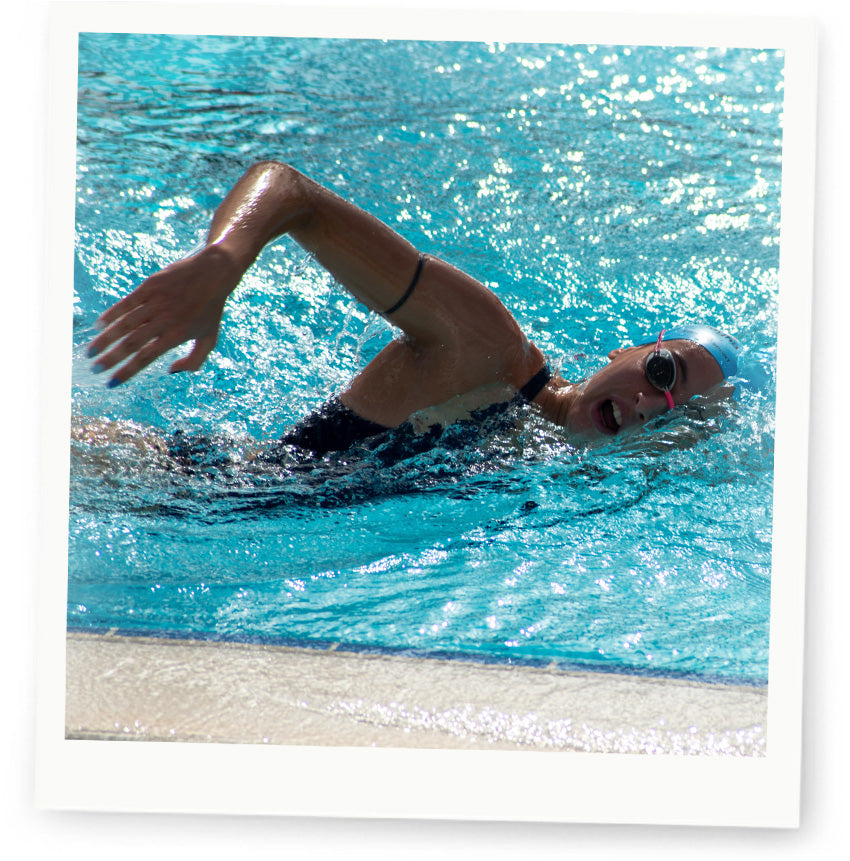
And what about swimming? Pool or sea water can increase irritation and therefore tightness and scratching sensations. Then apply a protective milk to the “sensitive” areas before exercise. It constitutes a barrier with a second skin effect . On the other hand, sometimes it is better to abstain:
|
|
|
|
Rule #2:Evacuate heatHeat causes an increase in the diameter of the vessels, also called vasodilation. It helps provide the muscles with the oxygen they need during exercise. But this heat is partly responsible, along with sweat, for the itching triggered by physical exercise . It is therefore necessary above all to respect a few essential rules to avoid overheating:
|

Rule #2:Evacuate heatHeat causes an increase in the diameter of the vessels, also called vasodilation. It helps provide the muscles with the oxygen they need during exercise. But this heat is partly responsible, along with sweat, for the itching triggered by physical exercise . It is therefore necessary above all to respect a few essential rules to avoid overheating:
|
|
.
Rule #3:Minimize the irritating effect of sweatPerspiration is produced by the body, and by the sweat glands, to bring its temperature down to 37°. We talk about thermoregulation. On the other hand, it can be irritating and causes tingling because it is made up of water, mineral salts and has an acidic pH (4 to 6). A shower after exercise, neither too hot nor too cold, using a gentle cleansing gel without soap, perfume or sulfate, avoids this inconvenience. Dry the skin well by patting with a cotton towel then apply a soothing emollient balm to the entire body. |
|

.
Rule #4:
Find the right clothing
When no outfit is required, the ideal is to choose a loose cotton outfit . Cotton is natural and gentle on the skin and loose clothing avoids contact and friction on the skin . For sports requiring special clothing (often made of polyester), applying a lipid-replenishing milk with a “second skin” effect to sensitive parts of the body will reduce possible irritation.
Sports clothing must be washed before the first use but also after each session. The choice of detergent will be a hypoallergenic product . Avoid detergents containing perfumes, the main sources of allergy or irritation. Preservatives are also often blamed for allergies and should be monitored when you have sensitive skin. Prefer detergent powders or capsules which do not contain them.
|
|
Rule #5:use the right cosmeticsAs perspiration increases skin sensitization, the use of a suitable deodorant is essential. Avoid antiperspirants containing aluminum salts. Choose a deodorant without alcohol, a very drying ingredient and without perfume because it is better suited to sensitive skin. It is also essential to use a repair balm regularly . Its barrier effect protects the skin from external aggressions (pollution, etc.) and prevents itching . If the doctor has prescribed a topical corticosteroid cream, it should be applied in the evening, to avoid photosensitization (redness reaction to the sun). |

Rule #5:use the right cosmeticsAs perspiration increases skin sensitization, the use of a suitable deodorant is essential. Avoid antiperspirants containing aluminum salts. Choose a deodorant without alcohol, a very drying ingredient and without perfume because it is better suited to sensitive skin. It is also essential to use a restorative moisturizing balm regularly . Its barrier effect protects the skin from external aggressions (pollution, etc.) and prevents itching . If the doctor has prescribed a topical corticosteroid cream, it should be applied in the evening, to avoid photosensitization (redness reaction to the sun). |
|