


Like your digestive system, your skin is also colonized by thousands of bacteria. Microorganisms essential in the protection and well-being of your epidermis. Our explanations to better understand this phenomenon.
|
MICROBIOME : WHAT IS IT? You may have perfect hygiene, but your skin is constantly colonized by hundreds of species of bacteria. Each square centimeter of skin contains no less than a billion bacteria, constantly. There is no point in panicking – or thinking about multiplying your daily showers by 7 – . , this skin flora – known as the microbiome – has a protective role of the skin . How ? By manufacturing antimicrobial peptides, types of natural antibiotics, whose function is to prevent bacteria harmful to your body from entering . |
|
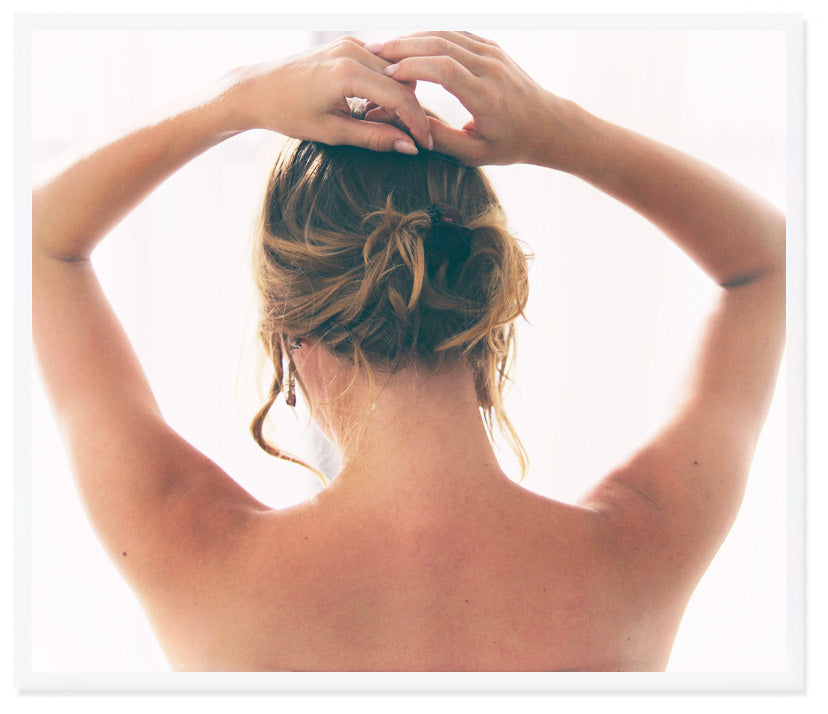
Each individual has their own skin microbiome. This skin flora – unique and personal – is established from birth and is largely built during childbirth. It is also greatly influenced by the maternal digestive microbiome, during pregnancy and then during breastfeeding .
MICROBIOME IMBALANCE : WHAT EFFECTS ON THE SKIN?
You would have understood it, the microbiome has a protective function for the skin . And when this skin flora is altered, it can no longer fulfill its role as a protective barrier. Harmful bacteria can then penetrate and disrupt the balance and good health of our epidermis.
It is therefore not surprising to find an alteration of the microbiome in many skin diseases, particularly atopic dermatitis. This chronic inflammatory skin disease manifests itself by severe dryness, red patches and especially itching.
To treat it, in addition to medicinal treatments, it has long been recommended to apply emollient treatments abundantly. Unfortunately, this is insufficient: as long as the microbiome remains unbalanced, eczema attacks keep coming back.
|
|
WHAT CARE TO FIGHT AGAINST ATOPIC DERMATITIS ?
|
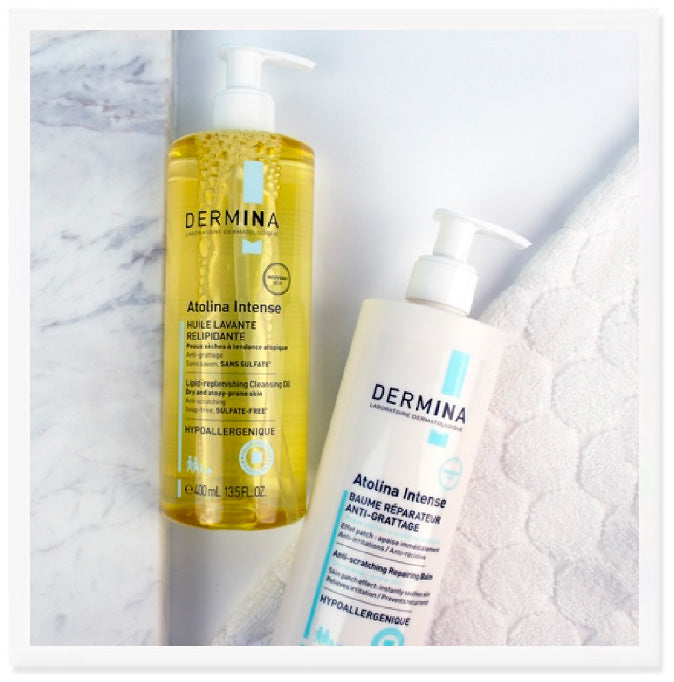
WHAT CARE TO FIGHT AGAINST ATOPIC DERMATITIS ?
|